
Wiping over Leather Socks Covering the Ankles (Khuff)
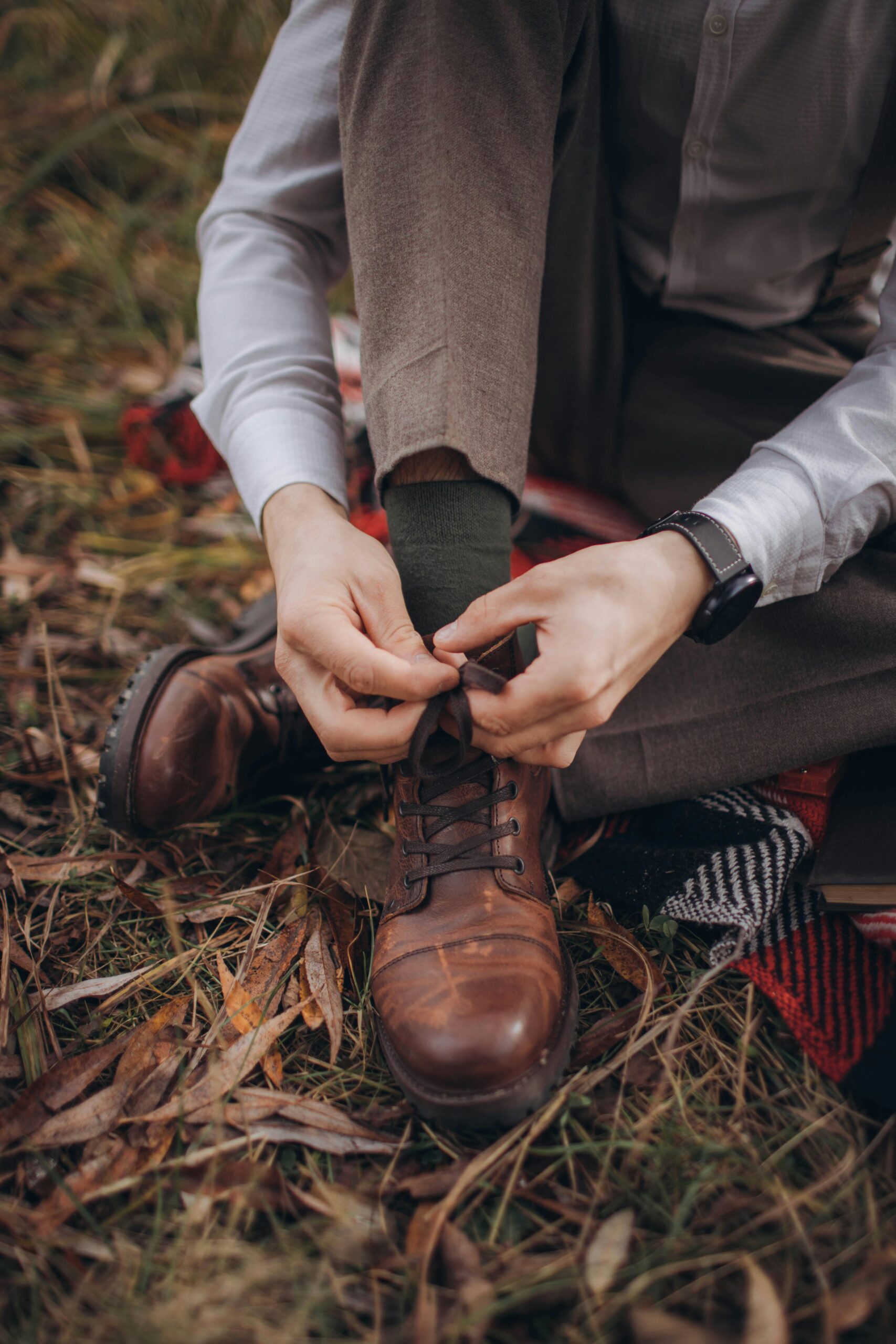
Definition of Khuff
Khuff refers to footwear that covers the feet up to and including the ankles, usually made of leather or similar material, and suitable for walking.
Ruling on Wiping over the Khuffayn
Wiping over the khuffayn is a concession (rukhsah) granted by Islamic law. It is permitted for both men and women, whether:
- In summer or winter
- While traveling or residing at home
- In normal health or illness
This wiping replaces washing the feet during wuḍū’ (ablution).
Evidence for the Permissibility of Wiping over the Khuffayn
It is reported from ʿUrwah ibn al-Mughīrah (raḍiyallāhu ʿanhu):
“I saw the Prophet ﷺ urinate, then perform wuḍū’, and he wiped over his khuffayn.”
(Narrated by al-Bukhārī and Muslim)
Conditions for Wiping over the Khuffayn
Wiping over the khuffayn is valid only if the following conditions are fulfilled:
1. The Khuffayn Must Be Worn after Completing Wuḍū’
The Prophet ﷺ said:
“Leave them on, for I put them on while my feet were in a state of purity.”
This indicates that the khuffayn must be worn after a complete and valid wuḍū’.
2. The Khuffayn Must Cover the Entire Area Required to Be Washed
They must fully cover the feet from the toes up to and including the ankles.
If they do not cover this area completely, they are not considered valid khuffayn.
3. The Khuffayn Must Prevent Water from Reaching the Feet
They must be water-resistant, except for minimal stitching that does not allow water to penetrate.
4. The Khuffayn Must Be Durable and Suitable for Walking
They must be strong enough to allow normal walking and remain intact for the permitted duration.
Duration Allowed for Wiping over the Khuffayn
Islam specifies the following time limits:
- For a resident (non-traveler):
One day and one night (24 hours) - For a traveler:
Three days and three nights (72 hours)
This is established from authentic prophetic traditions.
When the Time Period Begins
The time period begins from the first wipe after breaking wuḍū’, not from when the khuffayn were worn.
Example:
- Wuḍū’ is performed
- Khuffayn are worn
- Wuḍū’ is later invalidated
- Wuḍū’ is performed again and the khuffayn are wiped
➡ This is when the time period starts
Method of Wiping over the Khuffayn
- Wiping is done only on the upper surface of the khuffayn
- The bottom or heel is not wiped
Procedure:
- Wet the fingers of the right hand
- Wipe from the toes upward toward the shin
- Repeat for the other foot
A very minimal wipe is insufficient; the wiping should be clearly visible, following the Sunnah.
Actions That Invalidate Wiping over the Khuffayn
1. Removing the Khuffayn
- Removing both khuffayn
- Or removing one of them
In such cases, washing the feet becomes obligatory again.
2. Expiry of the Allowed Time
When the time limit ends:
- If wuḍū’ is still valid → khuffayn must be removed and feet washed
- If wuḍū’ is invalid → a new wuḍū’ is required and the khuffayn must be worn again
3. Occurrence of Major Ritual Impurity (Janābah)
Such as:
- Sexual intercourse
- Wet dreams
In this case, wiping is no longer valid, and the khuffayn must be removed. Washing the feet is required because wiping only substitutes foot-washing in wuḍū’, not ghusl (major ritual bath).
Summary of the Ruling on Wiping over the Khuffayn
- Wiping over the khuffayn is a mercy and ease from Allah
- It replaces washing the feet during wuḍū’ under valid conditions
- Only the upper part of the khuffayn is wiped
- It is limited to a specific time period
- It becomes invalid if the khuffayn are removed, the time expires, or janābah occurs
Finished this lesson?
Go back to the overview to see all lessons.