Casts and Bandages
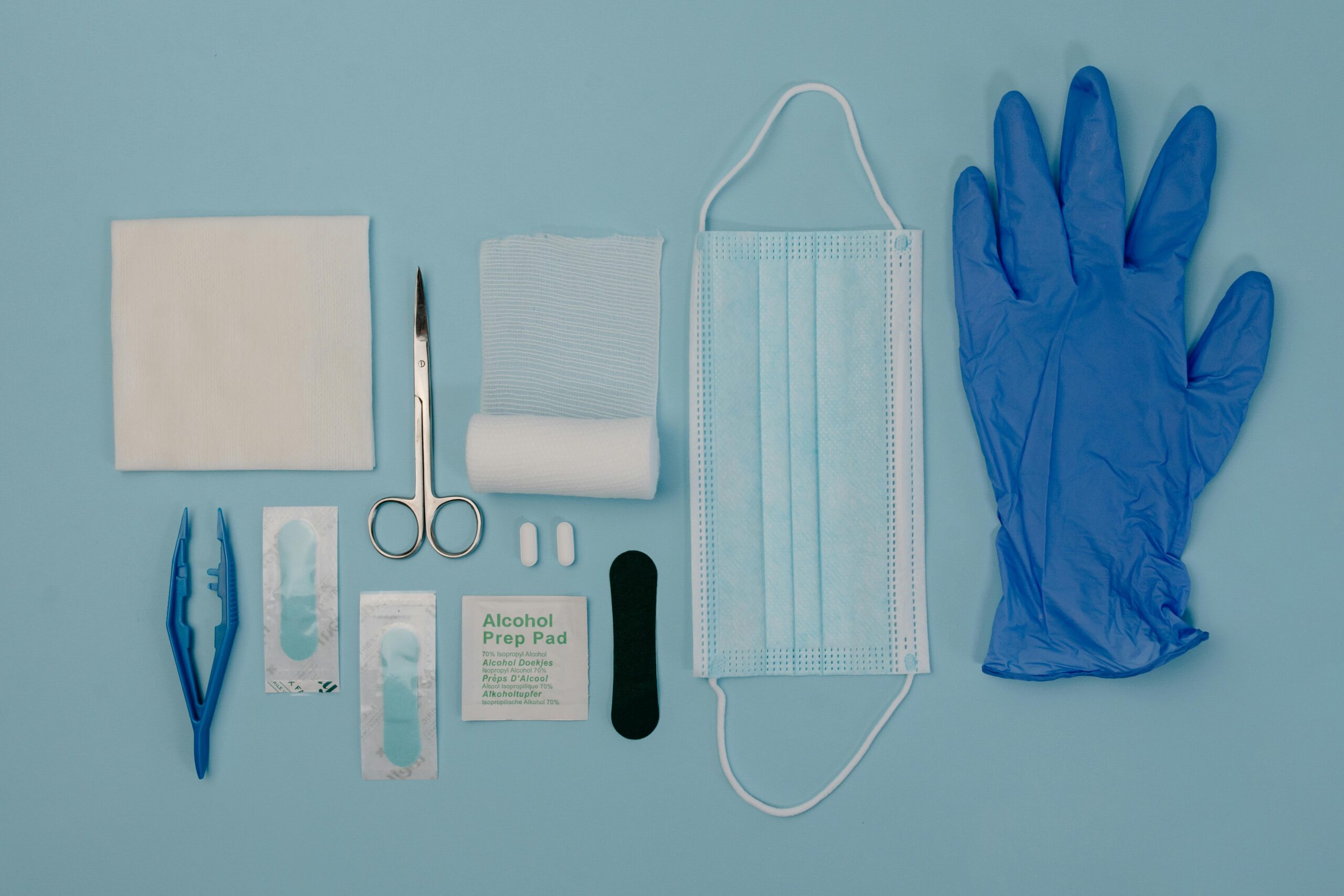
Definition of Casts and Bandages
A cast (jabīrah) is a device used to immobilize or support an injured limb, such as in cases of fractures, in order to facilitate proper healing.
A bandage (ʿiṣābah) is a material used to cover a wound, protecting it from impurities and infection.
In Islamic law, these means are regarded as necessities that ensure bodily safety and ease. Therefore, specific legal rulings have been established to reconcile acts of worship with the preservation of health.
Legal Rulings Concerning Casts and Bandages
A person who has sustained an injury—whether a wound or a broken bone—may, in some cases, be required to apply a cast or bandage, while in other cases this may not be necessary.
When a Cast or Bandage Is Required
If it is necessary to apply a cast or bandage, the person must observe the following rulings when performing wuḍūʾ (ablution):
- Wash all healthy limbs that are not affected by injury, as usual.
- Wipe over the entire surface of the cast or bandage.
- Perform tayammum in place of washing the injured limb, since washing that limb would normally be obligatory in wuḍūʾ but is not possible due to harm.
When a Cast or Bandage Is Not Required
If the injured limb does not require a cast or bandage:
- It is obligatory (wājib) to wash the healthy portions.
- Tayammum must be performed in place of washing the injured area if washing it would cause harm.
Tayammum is obligatory in every obligatory wuḍūʾ, even if no new ritual impurity has occurred.
Washing the remaining limbs is not obligatory unless ritual impurity (ḥadath) is present.
Evidence for the Legitimacy of Wiping over Casts
It is narrated from Jābir ibn ʿAbd Allāh (may Allah be pleased with him):
“We were on a journey when one of our companions was struck on the head by a stone, causing a wound. Later, he experienced a wet dream and asked his companions, ‘Do you find any concession for me to perform tayammum?’
They replied, ‘We do not see any concession for you, as you are able to use water.’
He then performed ghusl and died.
When this was reported to the Messenger of Allah ﷺ, he said:
‘They killed him—may Allah curse them. Why did they not ask when they did not know? Indeed, the cure for ignorance is to ask. It would have been sufficient for him to perform tayammum, wrap his wound with a cloth, wipe over it, and wash the rest of his body.’”
This narration establishes the permissibility of wiping over a cast or bandage and combining it with tayammum when washing would cause harm.
Duration of Wiping over Casts and Bandages
There is no fixed time limit for wiping over a cast or bandage.
Wiping remains valid for as long as the necessity exists.
When the necessity ends—such as when:
- the wound has healed, or
- the bone has properly set—
then wiping is no longer permitted, and washing becomes obligatory again.
- If the person still has a valid wuḍūʾ, the affected limb must be washed.
- If wuḍūʾ has been nullified, a new wuḍūʾ must be performed.
General Legal Principles Regarding Casts
- Whether the wound is minor or severe, wiping over the cast is permissible.
- However, in the case of a major wound, if wiping is no longer necessary, it becomes obligatory to wash only the area that was previously covered by the cast or bandage.
- It is not obligatory to repeat wuḍūʾ for the rest of the body.
Cases in Which a Person Wearing a Cast Must Repeat Wuḍūʾ
A person wearing a cast is required to repeat wuḍūʾ in the following situations:
- The cast was applied before purification, and it cannot be removed.
- The cast covers an area where tayammum is required, such as the face or both hands.
- The cast extends beyond the area of actual necessity, exceeding what the injury requires.
Summary of the Rulings on Casts and Bandages
- Islamic law permits wiping over casts and bandages to prevent harm.
- No specific duration is prescribed; permissibility is linked to necessity.
- Once the necessity ends, washing must be resumed.
- These rulings are founded upon the principles of mercy, ease, and preservation of life, which are central objectives of Islamic law (maqāṣid al-sharīʿah).
Finished this lesson?
Go back to the overview to see all lessons.